
How to Grow on Instagram Without Going Viral
How to Grow on Instagram Without Going Viral
The small accounts growing fastest right now are not chasing virality at all. Niche focus and a repeatable posting structure do more than any single breakout video.
- Here is what you will learn in this article
- 1How Strangers Actually Find You on Instagram
- 2Niche Is Your Shortcut to Growth
- 3You Do Not Need 10k Views to Start Growing
- 4What Small Creators Do Differently
- 5Structure Beats Hooks Every Time
- 6How to Grow Without Burning Out
- 7Frequently Asked Questions
- How does Instagram decide what strangers see in Explore?
- Do you need to go viral to grow on Instagram?
- Why does having a niche help you grow?
- How often do you need to post to grow on Instagram?
- Do saves and shares matter more than likes?
- Does Explore only show content from accounts you do not follow?
Instagram is noisier than it used to be, and the accounts still growing through it are rarely the ones chasing every trend.
If you are wondering whether you need to post Reels daily to get anywhere, the honest answer is no. Steady growth is mostly a question of being findable by the right people, and Meta publishes more about how that works than most guides admit.
Some of the fastest-growing accounts are focused, niche-driven and relentlessly consistent, and the mechanics below explain why that combination keeps working.
Here is what you will learn in this article
- Why a clear niche gives you the edge, and what to do if you are multi-passionate
- How Instagram’s Explore system actually picks what a stranger sees
- How to grow even when you are not getting thousands of views
- Why storytelling and structure beat trends
- What small creators do differently to attract loyal followers
How Strangers Actually Find You on Instagram
Growth means reaching people who do not follow you yet, and Explore is one of the main surfaces where that happens. Meta’s Transparency Center card for the Instagram Explore AI system describes it as three stages: retrieval, early stage ranking, and late stage ranking.
The funnel is narrow. Retrieval fetches “up to 1500 media”, then early stage ranking passes only “the top 100 media” to the final stage, which orders what lands in the Explore grid.
Those 1500 candidates do not come from the whole platform. Meta says the fetched media contain “author-based sources (media from authors that you’ve engaged with) and media-based sources (media similar to media you’ve engaged with)”.
So Explore is seeded by what a person has already engaged with. For someone who has never come across you, that leaves one route in the card: your post has to resemble media they have already spent time on.
This card covers Explore specifically. Feed and Reels run their own ranking systems with their own documents, so do not treat these numbers as one universal algorithm.
Niche Is Your Shortcut to Growth
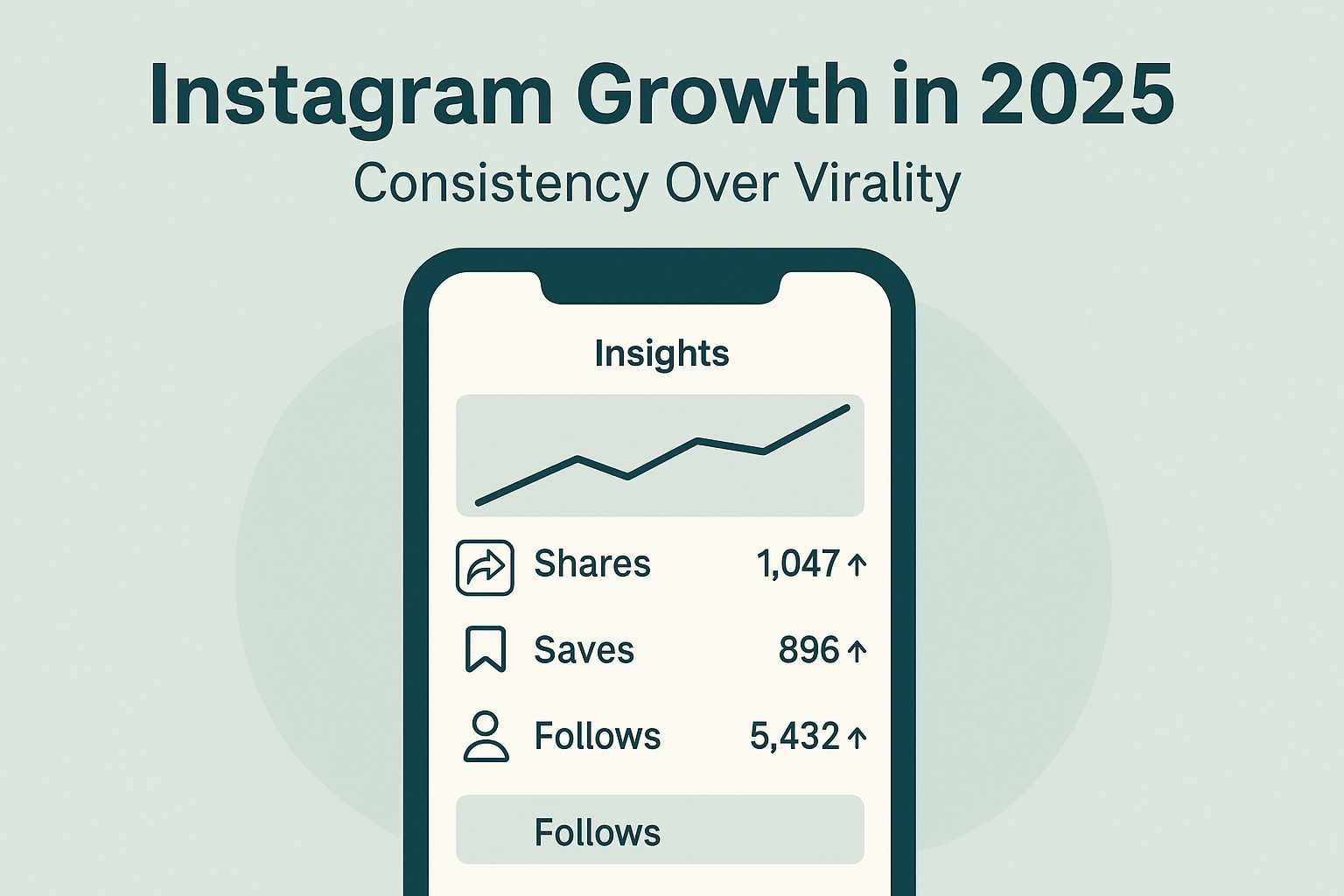
The Explore card never tells creators to pick a niche. The case for one comes from how retrieval is described: if your posts sit clearly inside a single category, there are more ways for them to be matched to people who already engage with that category.
Posting across five unrelated topics gives that matching less to work with, and it makes the account harder for a new visitor to place.
- Pick a specific outcome or perspective to build around, so not just “fitness” but “postpartum fitness for busy moms”
- Solve one kind of problem or deliver one type of value, instead of trying to entertain everyone
- Create content that feels like it was made for someone instead of for everyone
Multi-passionate creators do not have to pick one interest forever. Run one clear theme long enough for it to become legible, then widen once the account has an established audience to carry the change.
You Do Not Need 10k Views to Start Growing
Small numbers can still compound, because engagement quality feeds the systems that decide who sees you next. Explore’s own input signals include “How many follows button clicks received on a post in Explore” and “How many people have watched more than 95% of the video”.
Both count a deliberate action rather than a passing view. A few hundred people who finish the video and tap follow register on those counters, even when the view total stays small.
- Posts that solve a specific problem or say something relatable get shared privately, and Meta’s Feed system runs a dedicated prediction for sending a post in a direct message
- Saves matter. Explore’s late stage ranking orders candidates by “their likelihood of user engagement such as like and save”
- Stories that connect emotionally, even in a few seconds, bring people back to the profile
Aim to matter to the right people. A follow button click on your post is one of the outcomes Explore counts directly, which is why a small post that converts well is not wasted.
What Small Creators Do Differently
The creators growing steadily tend to run the clearest accounts. Theirs are easy to place after two or three posts, and a visitor who can place you quickly has an easier time deciding to follow.
- They post content they would personally want to follow
- They keep the structure familiar, with the same intro style, caption shape and posting days
- They focus on repeatability more than on any single breakout
Many lean into their own story. A plain “why I started” post often outperforms trend-jumping, because it gives people a reason to follow the account and not just enjoy one video.
Structure Beats Hooks Every Time
Hooks only help if the rest of the video holds up. Watch depth is measured directly, and Explore counts “How many people have watched more than 95% of the video” as an input, so the ending carries real weight.
A repeatable structure is what makes that achievable week after week.
- Lead with a problem
- Show the process
- End with the result, or a question that prompts a response
The same shape works for carousels and static posts, even though the completion signal above is specific to video. When people know what they are getting from you, they are more willing to stay with a post to the end.
When you are ready to systemize that without losing your voice, a tool like Blaze AI can help map your content flow.
How to Grow Without Burning Out
Posting daily, chasing audio trends and refreshing analytics gets old fast, and none of it is required by the systems described above. Consistency of theme does more work than raw frequency.
- Stick to a posting rhythm that matches your energy, even if that is two or three times a week
- Create content in batches so you are not always on the hook
- Reuse your strongest posts as Reels, carousels or story walkthroughs
- Keep your themes tight, since how the ranking systems read your account depends on it being legible
- Watch your follow limits if you engage manually, because Instagram caps how fast you can follow
- Use tools like Flick to plan hashtags and track what is landing
- Use Systeme IO if you are building an email list or a product behind the content
Growth on a small account comes from being consistently recognizable to a specific group of people. That is slower than a viral run, and much easier to repeat next month.
Frequently Asked Questions
How does Instagram decide what strangers see in Explore?
Meta’s Explore system card describes three stages. Retrieval fetches “up to 1500 media”, early stage ranking narrows that to “the top 100 media”, and late stage ranking orders those by predicted engagement before filling the Explore grid.
Do you need to go viral to grow on Instagram?
No. Explore’s input signals include how many people watched more than 95% of a video and how many tapped follow on a post, both of which measure depth of response rather than raw reach. A small post that converts well feeds those signals.
Why does having a niche help you grow?
Explore retrieval draws candidates from “media similar to media you’ve engaged with” and from authors a person has engaged with. A consistent theme makes your posts easier to match to the right audience, while an unfocused account is harder to place.
How often do you need to post to grow on Instagram?
Meta publishes no required posting frequency in its Explore documentation. The signals it does list concern how people respond to individual posts, so a sustainable rhythm you can keep for months is more useful than a daily pace you abandon.
Do saves and shares matter more than likes?
Meta’s Explore card says late stage ranking scores candidates on “their likelihood of user engagement such as like and save”, naming both. Meta’s separate Feed system card names a prediction for “How likely you are to share a post with someone in a direct message”.
Does Explore only show content from accounts you do not follow?
The card does not describe Explore that way. It says retrieval includes “media from authors that you’ve engaged with”, so prior engagement with an account can feed what you are shown there.

